Automate the copying your team does by hand
We build automations that move information between your systems and chase follow-ups on schedule.
Start a project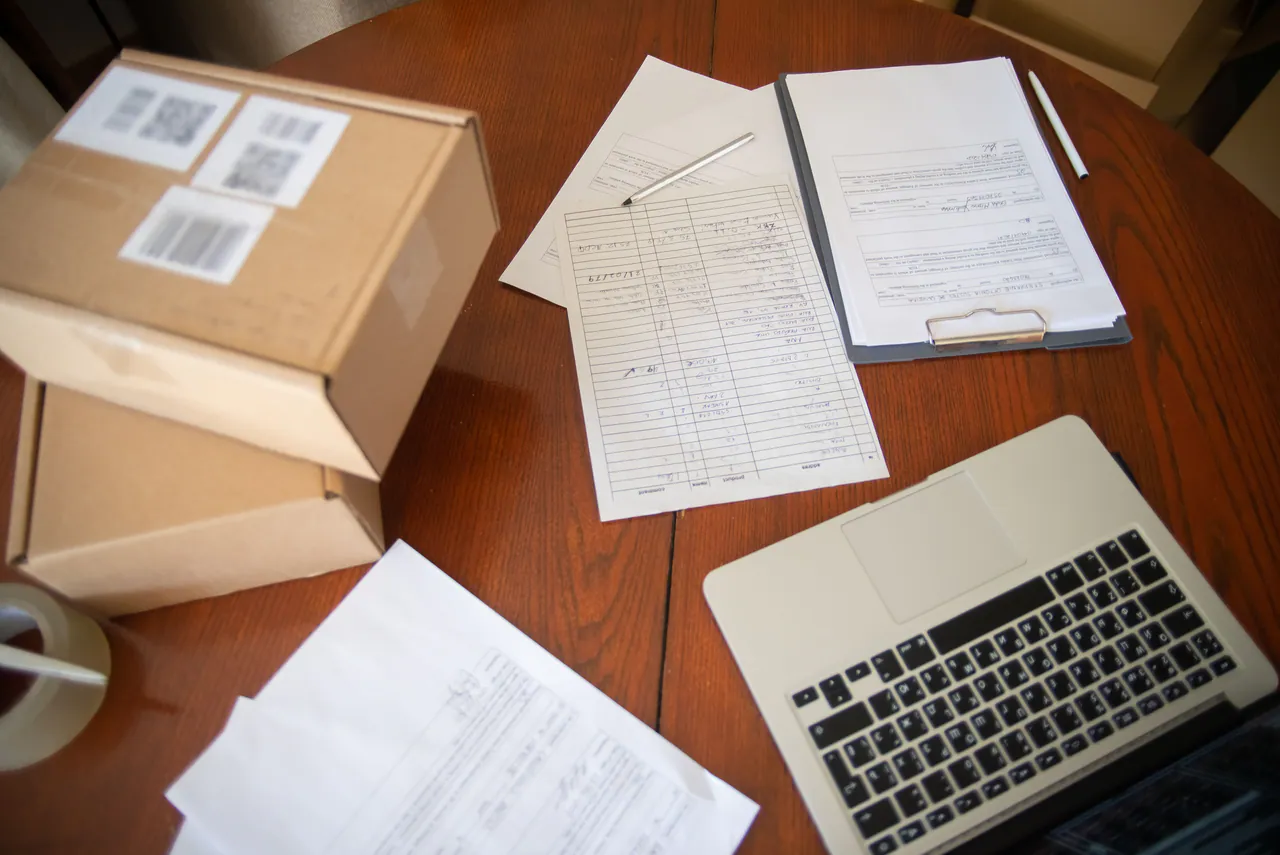
Where the hours go
Ask a team where the day went and the answer is rarely the work itself. It went to copying an order from email into the job sheet, chasing the unsigned estimate and assembling the Monday report.
Each task takes minutes, and across a team they add up to hours every week. Automation takes over the carrying, and the judgment stays with your team.

Rowanwell Family Health
New patients fill out their forms through a secure link, and by morning the answers are a one-page summary in the chart. Rowanwell is a company we invented, so we could build its website and back office in full.
Open the Rowanwell buildWhat we automate
Data entry between systems
Information that arrives once lands everywhere it belongs, in the format each system expects.
Follow-up sequences
Estimates that follow up on their own and overdue invoices that get a consistent reminder, so nobody dreads the task.
Alerts worth having
The right person hears about a failed payment or an empty calendar slot while there’s still time to act.
Recurring paperwork
The weekly report and the end-of-month packet, generated and delivered on schedule.

Every automation we ship is monitored
Most automation fails quietly. A field changes, the flow stops, and nobody notices the three weeks of missed follow-ups. Ours log every run, tell a person the moment one can’t finish, and stay maintained as the tools around them change.
Questions
Where does AI fit into this?
Does this replace people?
How do we know what to automate first?

An automation you can’t trust costs more time than the task it replaced
Tell us what you need built
A person reads every request and replies within one business day.
Start a project