An AI plan that says what to build first and what to skip
We write a short roadmap that names the first AI project for your business, what it depends on and what to skip.
Start a project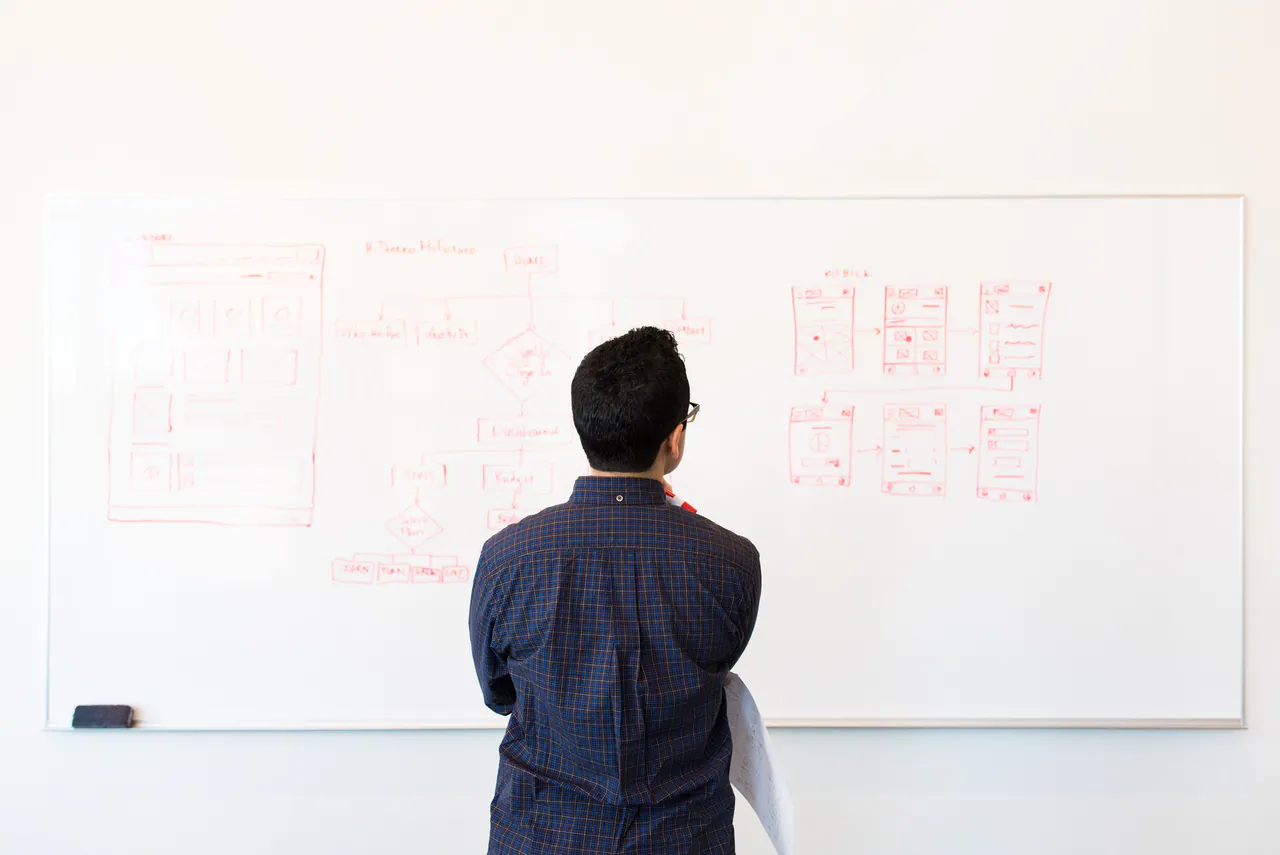

Strategy is mostly sequencing
The useful question is a narrow one: given your team and your margins, what should happen first, and what should deliberately wait?
A good plan names a first project narrow enough to judge, says what success looks like before anything is built, and puts a decision point after each step.
Kedzie Machine Works
The quote is priced from the part drawing and the shop’s own rules, and a person approves it before it goes out. Kedzie is a company we invented, so we could build its website and back office in full.
Open the Kedzie buildHow we sequence
Follow the repetition
The strongest first candidates are jobs done many times a week the same way: quoting, follow-up emails, scheduling and the questions your front desk answers daily.
Start where the data already is
Phase one runs on information you already keep well, like a tidy Drive folder or a CRM your team uses.
Prove it before extending it
Each phase has to show up in the workweek before the next one gets funded. If drafting help doesn’t move the inbox, that’s worth knowing early.
Build in exits
If phase one delivers the value you need, stopping there is the plan working.

Early moves and deliberate skips
Usually worth doing early
Work that repeats often and is easy to review.
- Drafting help inside the inbox your team answers every day
- Answers drawn from documents you already maintain
- Intake that captures what staff retype today
Usually worth skipping
At least at first, and sometimes for good.
- Custom models where an off-the-shelf tool already does the job
- AI attached to a process that changes month to month
- Customer-facing bots with no path to a person
Questions
How is this different from the readiness review?
What shapes the recommendations most?
What if the right answer is mostly not AI?
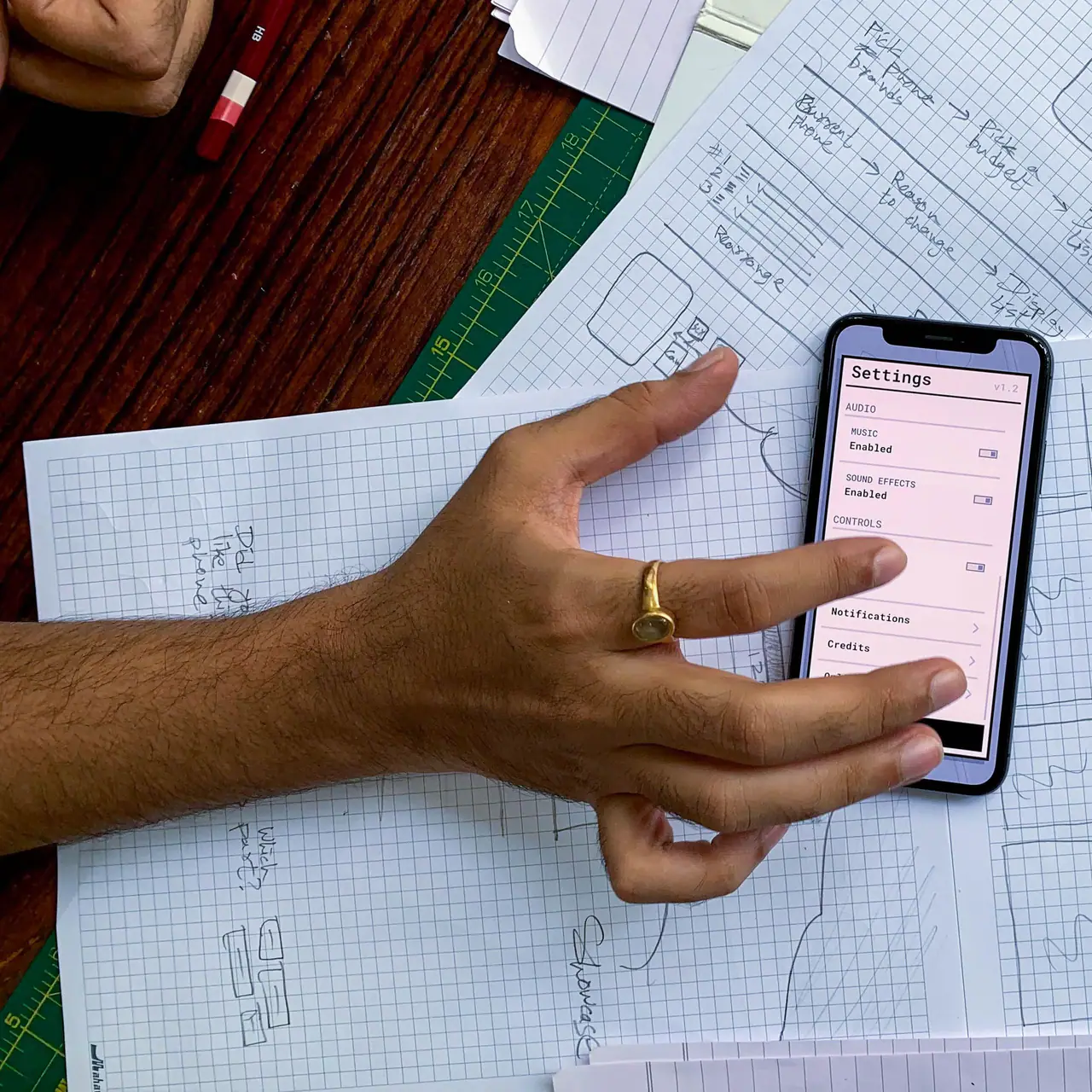
Every roadmap we write is short enough to act on, with a reason for each call it makes
You keep it whether or not we build any of it, and if a subscription tool beats custom work, it names the tool.
Tell us what you need built
A person reads every request and replies within one business day.
Start a project