Modernize the system while the business keeps running
We move aging software onto modern ground one stage at a time, while the business keeps operating.
Start a project
The system nobody wants to touch
It might be a database built a decade ago or a desktop program from a developer who has moved on. It still runs the schedule or the billing, which is exactly why nobody touches it.
Every year it keeps working, it gets harder to replace. The emergency picks its own timing, and modernizing on your schedule costs less than modernizing on the system’s.
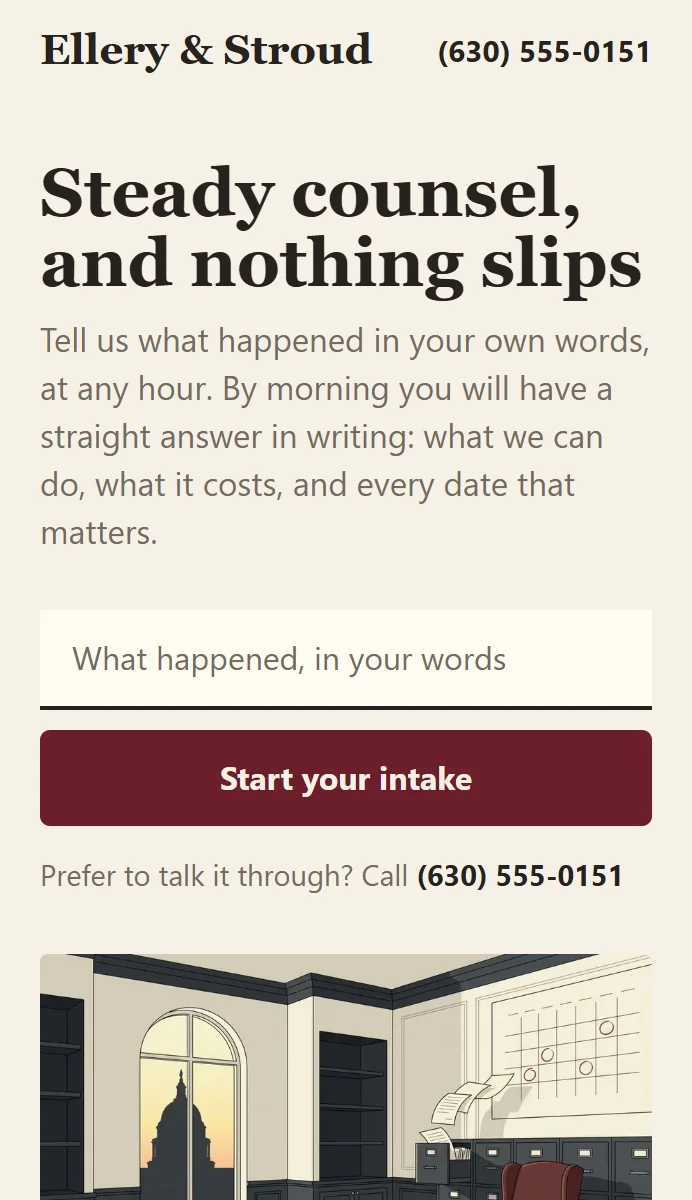
Ellery & Stroud LLP
The intake reader pulls the parties and key dates out of a client’s own words and stages the matter. Ellery & Stroud is a company we invented, so we could build its website and back office in full.
Open the Ellery & Stroud buildWhat we take on
Typical candidates
- Desktop databases still running daily operations
- Custom code from a developer who has moved on
- Platforms a vendor has stopped supporting
Commitments we hold through the work
- The business keeps operating while we work
- Every stage leaves you better off, even if you pause
- No cutover without a way back
How the staging works
Map before touching
What the system does today, including the undocumented behavior the business depends on. You keep that map whatever happens next.
Stabilize first
Backups, monitoring and source control come before any change, so the current system stops being a single point of failure.
Replace the riskiest piece
The most fragile or most limiting component moves to modern ground first, connected to everything that remains.
Run in parallel, then retire
Old and new run side by side until the new piece has earned trust with live work, and rollback stays possible at every stage.
Questions
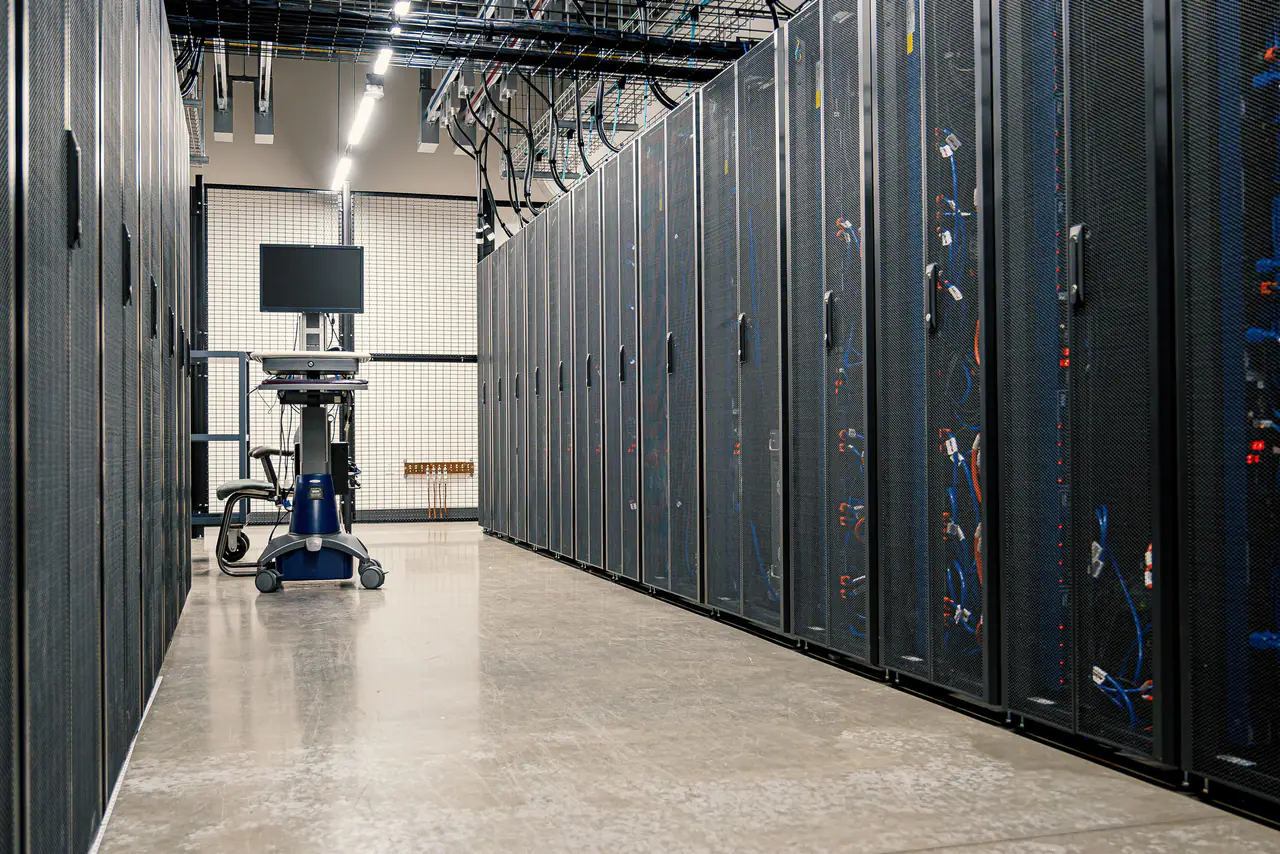
What if nothing is documented?
Can you keep parts of the old system?
How long does it take?
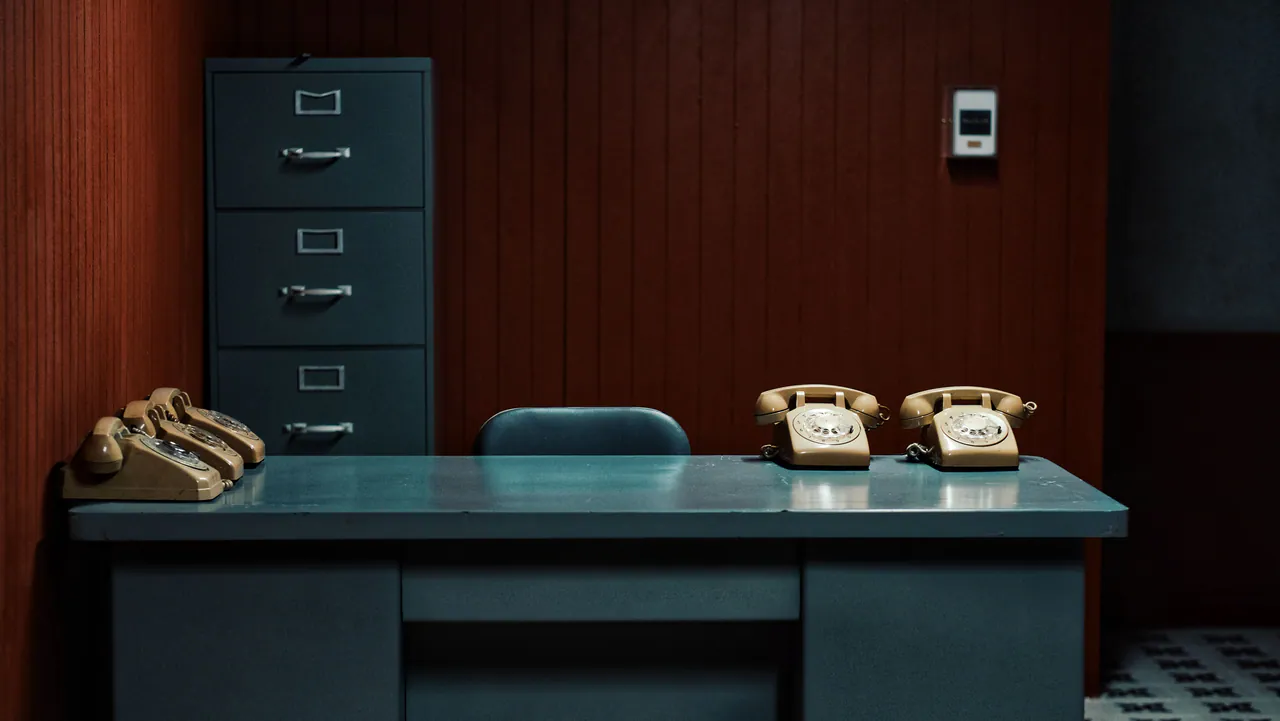
The riskiest plan for an aging system is the total rewrite, and the second riskiest is doing nothing
Tell us what you need built
A person reads every request and replies within one business day.
Start a project