Websites that sell the car and keep the bays full
Dealers, repair shops and fleet service lanes serve different visitors, often in the same building. The site has to work for each of them.
Start a project
What the site does for the lot and the lane
Split the lot from the lane
The inventory shopper and the service customer want nothing from each other’s pages, so the site sends each down their own path from the front door.
Show inventory that’s current
A listed car that sold Tuesday is a broken promise. Inventory refreshes from the system of record, with photos and status that match the lot.
Book the service lane online
Service is the steadiest revenue in the building, and phone booking loses the customer who decides at 10 pm. Online scheduling by service type keeps the bays filling.
Build forms people finish
Trade-in and financing forms fail when they ask for everything at once. Short steps that save progress turn an abandoned tab into a lead.
Draywick Fleet Service
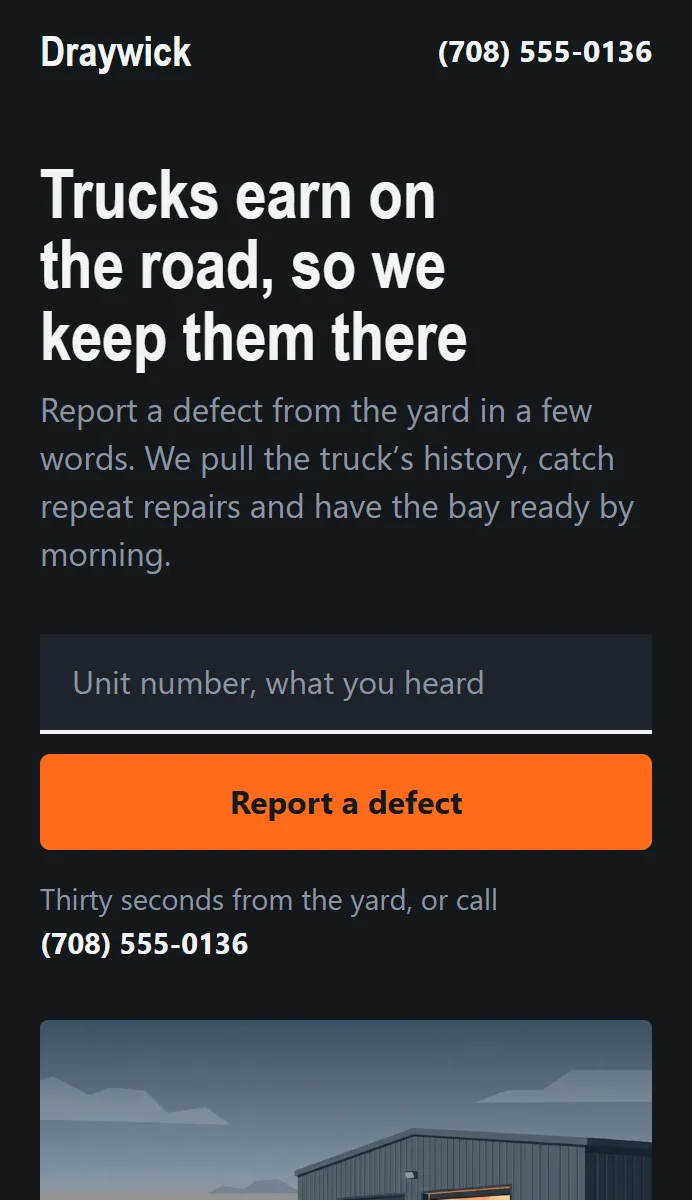
A three-word defect report pulls the truck’s full service file and drafts the warranty claim the shop had coming. Draywick is a company we invented, so we could build its website and back office in full.
Open the Draywick buildWired into the store’s systems
Dealerships live in a DMS and a CRM, and repair shops run tools like Tekmetric or Shop-Ware. The website should behave like part of that stack.
Leads to the right desk
Leads reach the CRM with the source and the vehicle attached, routed as they arrive, so nothing waits in a shared inbox overnight.
Bookings on the shop calendar
Service bookings land on the shop calendar with the customer’s history in reach.
Reminders that follow the car
Reminders follow mileage, and declined work resurfaces at the right time.

Where AI helps on the lot and in the lane
Lead replies and follow-ups
AI drafts the first reply with the car’s details and comparable options from your own inventory, ready for a salesperson to review. Leads going cold get follow-ups queued.
Service history at a glance
Before the advisor picks up the phone, a summary of past visits and declined work is waiting, which makes for shorter calls and better recommendations.
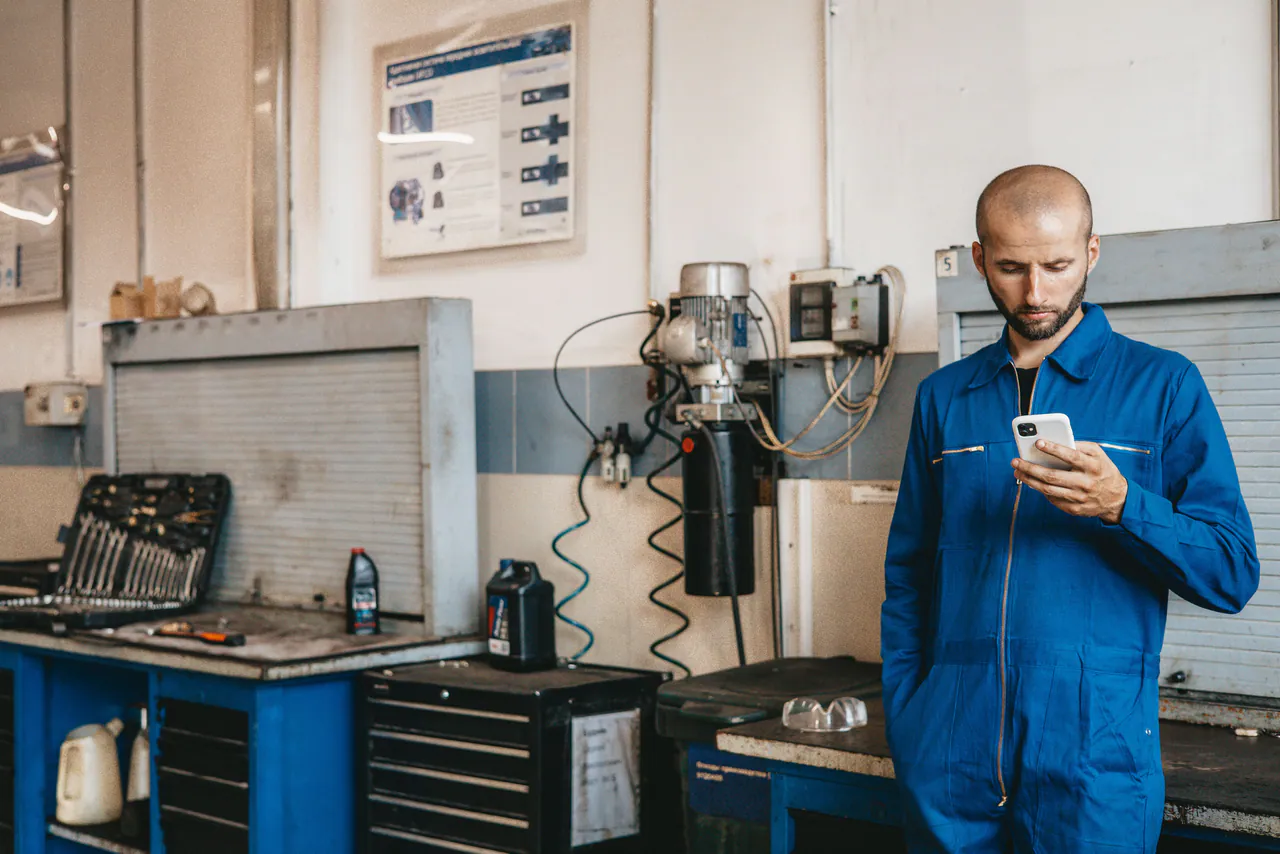
Fleet customers need the records as much as the repairs
In the Draywick build, a driver reports a brake problem in a few words, and the system pulls the truck’s service history and catches a warranty claim the shop has coming. For a private transportation company, we built a live operations portal that cut recurring administrative work by about 20 hours a month.
Tell us how work reaches your bays
A person reads every request and replies within one business day.
Start a project